Milan fashion shopping: what can a care label tell you before a purchase?

A beautiful garment asks for more than an appreciative glance at the mirror. Before a purchase in Milan, turn to the information that will accompany it home: fibre composition, care instructions and any explanation of a special finish or trim. A care label is a modest piece of design communication. Read it as part of deciding whether the garment belongs in your life, rather than as a problem to solve after the first wear.
Which question does each label answer?
Fibre composition and care instructions do different jobs. The European Union's textile-labelling guidance explains fibre-composition information; it should not be mistaken for a complete set of care directions. A label identifying a fibre does not by itself tell you how every element of the finished garment will respond to washing, heat or professional treatment. Construction, decoration and combined materials can complicate an apparently simple description.
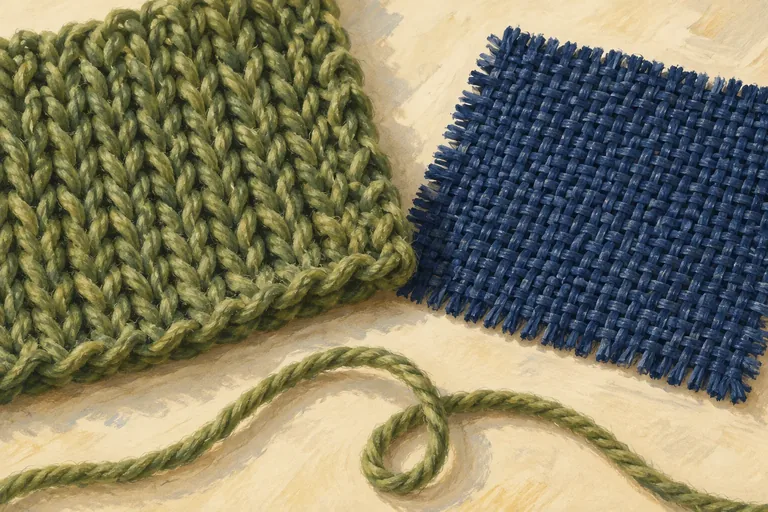
Our guide to fibre, yarn and fabric helps separate the material from the structures made with it. In a shop, keep the questions equally distinct: what is this made from, how is it constructed, and what does the maker recommend for the finished piece? A clear answer to one question should not be used to invent an answer to the others.
How do the care symbols work?
GINETEX's care-symbol guide groups the system into washing, bleaching, drying, ironing and professional care. Within that system, the number in a washing tub indicates a maximum temperature, while additional marks can qualify the treatment. A crossed-out symbol prohibits the treatment shown. Read the complete instruction rather than recognising one familiar shape and ignoring the rest.
These are limits and directions, not a challenge to use the most intensive process permitted. Professional wet cleaning also has its own meaning; it should not be casually translated into an ordinary home wash. If a symbol is unfamiliar, consult the official guide or ask an appropriate professional. The aim at the point of purchase is understanding the commitment, not improvising a treatment on expensive cloth.
What is worth asking before you buy?
Ask whether the shop can explain any ambiguity in the care information, especially for a garment with contrasting fabrics, detachable elements or elaborate decoration. Request clarification politely and, if useful, a written reference you can retain. Do not assume that the reassuring phrase “easy to look after” answers a specific question about the piece you are holding.
Consider the practical rhythm of ownership. Will you have access to the recommended service where you live? Can the garment travel in your luggage without being treated roughly? Does the expected care fit how often you intend to wear it? These are personal questions, not a universal formula for value. A special-occasion piece and a frequently worn shirt may justify different decisions.
Does careful construction remove the need for care?
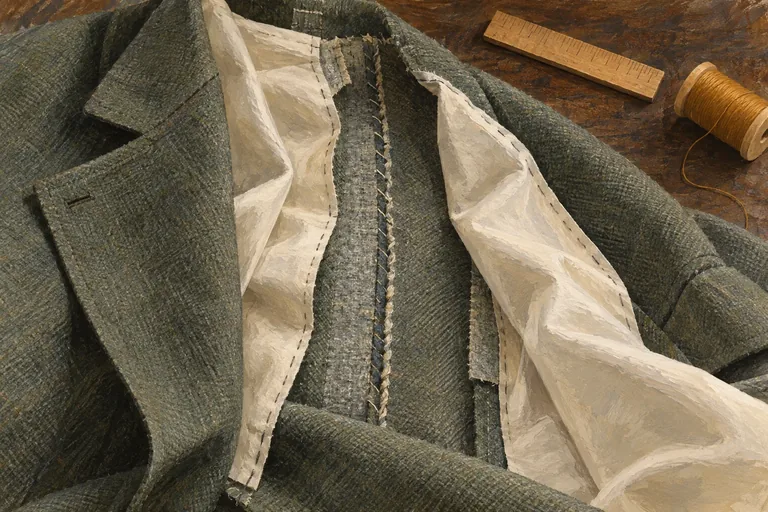
A well-made garment still has limits. Our guide to judging a well-made garment encourages close attention to construction, but neat stitching is not a substitute for the maker's instructions. Likewise, a high price or familiar label should not be treated as evidence that a delicate surface can withstand any process. Looking closely is most useful when it improves the questions you ask.
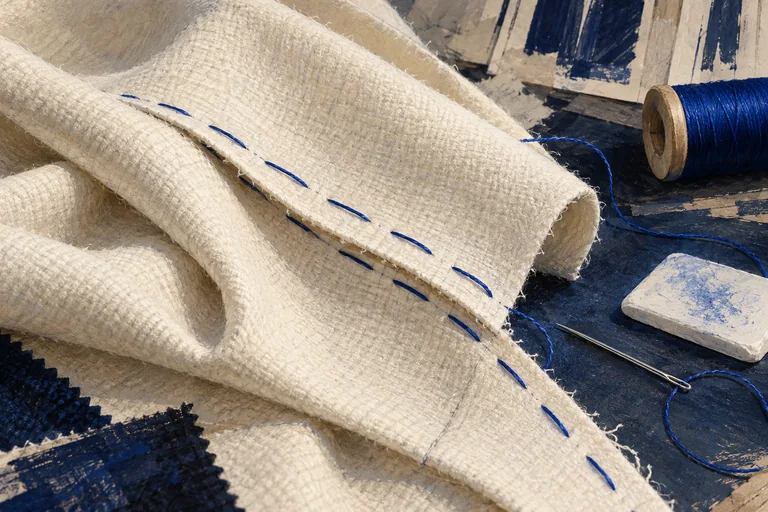
Examine a garment only with the shop's permission, and avoid pulling a seam or testing a finish to see what happens. If you are considering alterations, bring that intention into the conversation before purchase. Our guide to garment repairs offers a way to discuss work without assuming every fabric, trim or earlier intervention can be handled in the same manner.
How should you keep the information?
Retain the maker's care guidance and any accompanying notes in a form you can find again. If taking a photograph of a label would help, ask first and make sure the image is legible. A photograph of an unidentified label is less useful than a simple record connecting it to the correct garment. Avoid relying on a memory of a symbol glimpsed while several pieces were being tried on.
When consulting a cleaner or repair specialist, show the whole garment and its information rather than describing the fibre alone. A remote image cannot reveal every relevant feature. This is particularly important when a piece has already been altered or its history is uncertain. The sensible next step is a conversation, not a confident treatment instruction assembled from a few visual clues.
Where does this fit within a Milan fashion visit?
Learning to read clothing can be as rewarding as buying it. Milan Tour Hub's Palazzo Morando guide offers a related cultural visit, where museum interpretation has a different purpose from contemporary retail advice. Historical garments should be observed according to the museum's rules; a modern care guide is not permission to handle, clean or experimentally test an old textile.
Our Milan fashion experiences collection can support a wider day of shops and cultural stops. Check each itinerary's inclusions: shopping experiences do not confer official runway invitations, accreditation or backstage access. A successful purchase needs no such association. It begins with pleasure in the garment and ends with a clear understanding of what wearing, storing and caring for that particular piece will involve.
Sources & further reading
Turn a good read into a great day.
Find a highly rated Milanese experience that brings these stories to life.
Explore related experiences →