What is the difference between fibre, yarn and fabric?
Fibre, yarn and fabric describe different stages of a textile, and keeping them separate makes a surprisingly large difference to a fashion visit. A material name tells you one thing; a construction method tells you another. Together they help you ask better questions in a Milan shop, understand a museum label and appreciate the work hidden beneath an elegant surface.
Our introduction to Como silk follows a regional production story. This guide supplies a compact vocabulary you can carry into that story: not an examination in textile science, but a way to replace “lovely fabric” with a more precise observation.
Fibre: begin with the material
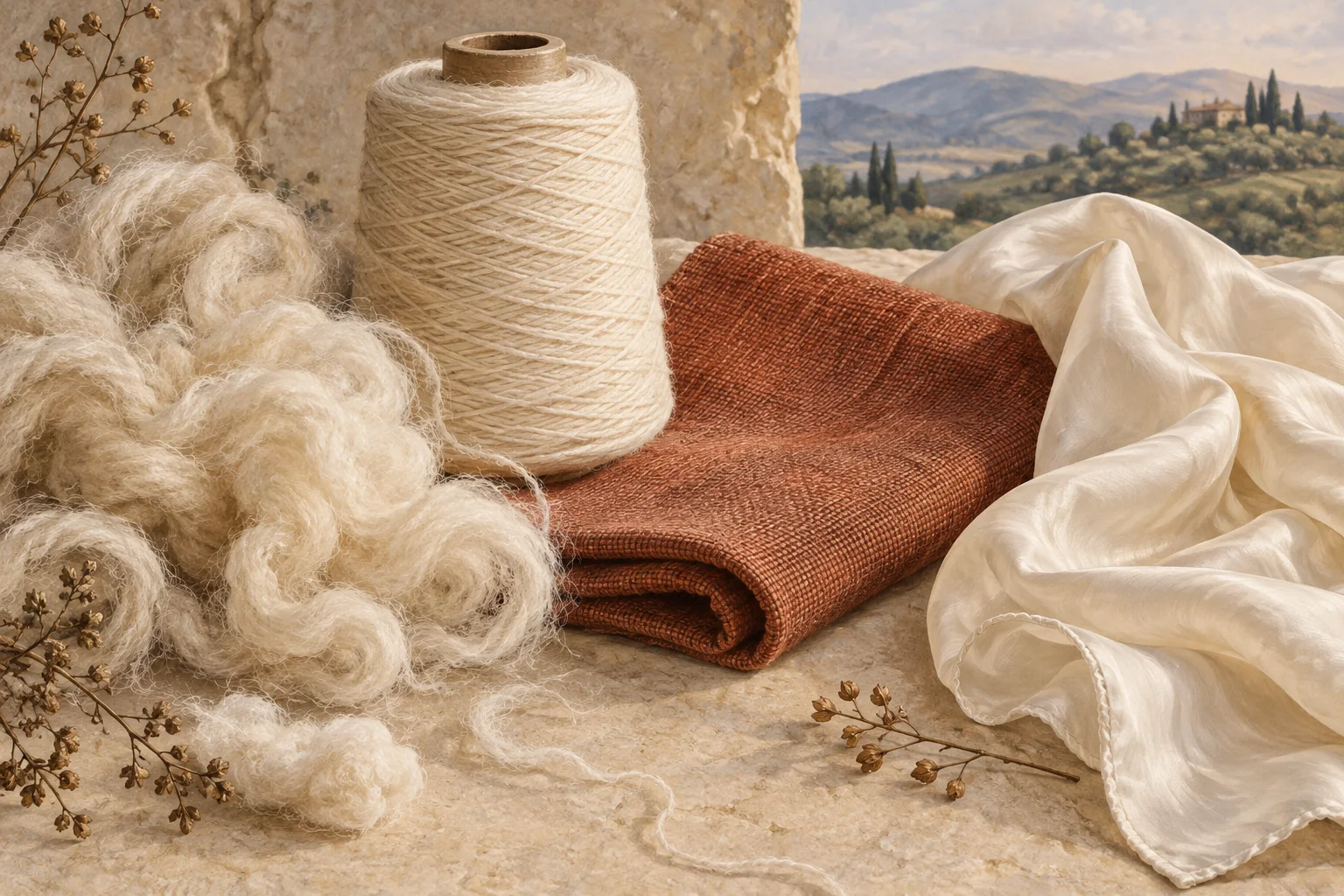
A fibre is a slender material element used to make a textile. Wool and cotton name familiar fibre types, while silk can supply long filaments. Material affects possibilities, but the name alone does not tell you the cloth’s weight, structure, finish or suitability for a particular garment. Two textiles can share a fibre composition and behave very differently.
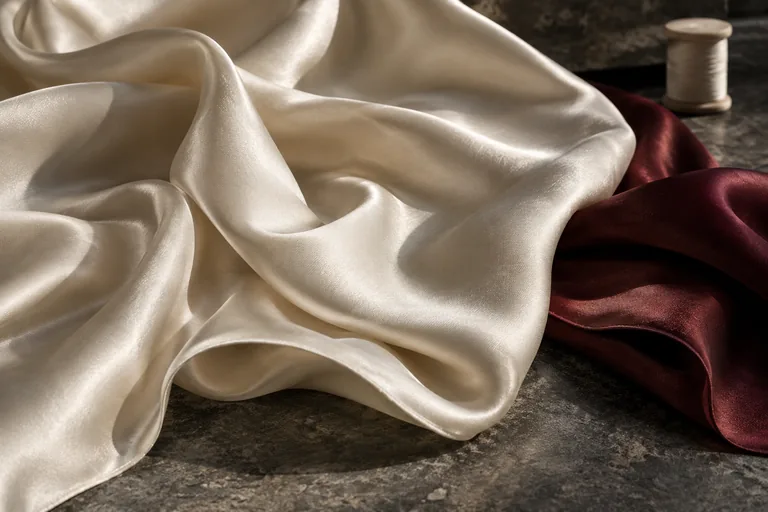
Start by reading the composition information supplied with an item. Then keep a separate note of what you actually feel or see, where handling is permitted: a smooth surface, a crisp fold, a fuzzy edge or a soft drape. Do not use appearance as proof of composition. A glossy surface is an observation; identifying its material requires reliable information.
Yarn: the continuous element used in construction
Yarn brings fibres or filaments into a continuous strand that can be used to make a textile. Its thickness, twist and combination of materials help shape the result. When a museum discusses a fine or heavily twisted yarn, it is moving to a different level of description from the original fibre. This middle stage is easy to overlook because a finished garment hides so much of it.
The Como Silk Museum’s room-by-room route separates stages including twisting, weaving, dyeing, printing and finishing. That arrangement is valuable precisely because it refuses to compress manufacture into a single romantic gesture at a loom. Each process contributes something different to the final textile.
Fabric: ask how the strands are organized
In a woven cloth, crossing systems of yarn create a structure. The warp is held lengthwise on the loom, while the weft passes across it. In a simple plain weave, the familiar alternating over-and-under relationship gives a useful starting point. The V&A’s discussion of plain weave is an invitation to take this apparently modest construction seriously.
Knitting works through interlocking loops instead. The V&A’s introduction to knitting explains that this can be done with needles, machines, looms or even fingers. It is the looped structure, rather than a particular tool or the use of wool, that matters to the distinction. Not every soft garment is knitted, and not every knitted garment is wool.
Pattern and structure are not the same question
A pattern might be created through the organization of yarns, added through printing or worked onto a textile with embroidery. These processes can produce effects that look related from a distance while being materially different. Ask how a motif was made before describing it. If the reverse is available for inspection, it may help; if it is not, leave the question open.
The V&A’s explanation of tapestry provides a useful example of imagery built through weaving. Treat that as a specific technique, not a fashionable synonym for every richly patterned cloth. The pleasure of learning a few accurate terms is that you begin to notice choices you previously passed over.
Use the vocabulary in Milan without turning shopping into a test
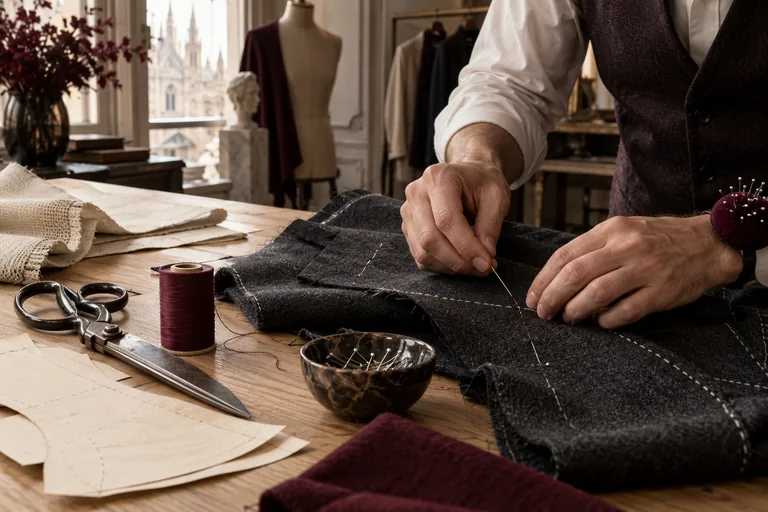
Choose one garment and ask three questions: what is it made from, how is the main fabric constructed, and what has been done to its surface? Then consider the cut and intended use. Our guide to looking at garment construction takes the next step, from cloth to seams, closures and the way a piece hangs.
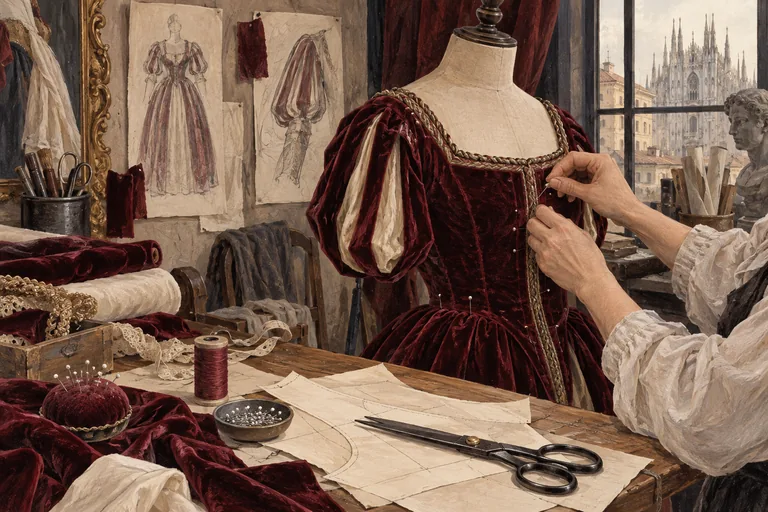
In a museum, rely on the label and avoid touching unless a handling activity explicitly permits it. Our guide to clothing in Renaissance portraits adds another distinction: painted fabric is represented evidence, not a surviving textile sample. Vocabulary should make interpretation more careful, not more certain than the evidence allows.
Browse the fashion and shopping experiences for a guided city visit, checking the stated focus and inclusions. If production becomes your main curiosity, Lake Como Tour Hub can help place a separate Como visit in a broader itinerary. A shopping walk does not automatically include a workshop, factory or Fashion Week show. Book the experience described, and let your new questions make it richer.
Sources & further reading
Turn a good read into a great day.
Find a highly rated Milanese experience that brings these stories to life.
Explore related experiences →