How do you judge a well-made garment while shopping in Milan?
A well-made garment should be judged in relation to its intended use and the person wearing it. A delicate evening piece, a relaxed summer shirt and a winter coat do not need identical construction. Start with what you need the garment to do, then inspect how its material and making support that purpose. Price and a familiar name may shape expectations, but neither removes the need to look closely.
Our Quadrilatero walking guide helps place shopping within an enjoyable Milan day. Give a serious purchase enough time for trying on, asking questions and considering care. You are more likely to notice a troublesome sleeve or an impractical fastening when you are not racing to the next booking.
Begin with fit in motion
With the retailer’s permission, try the garment as you expect to wear it. Sit down, take a few steps and move your arms gently. Check whether the clothing pulls where you need ease or shifts in ways you find uncomfortable. A polished mirror pose can conceal a fit problem that appears as soon as you move.
Distinguish intentional shape from accidental discomfort. An oversized jacket need not sit like a fitted one, but its volume should still suit your preferences and activities. Our Armani essay suggests ways to observe shoulder and silhouette without assuming a single ideal. Ask a knowledgeable assistant to explain the intended fit rather than silently accepting a size that does not work.
Read the fabric information
The European Union’s textile-labelling guidance explains fibre-composition information and the use of recognized fibre names. Read the label alongside the product description. Composition tells you something important, but it does not by itself establish durability, comfort, overall quality or the place where every stage of manufacture occurred.
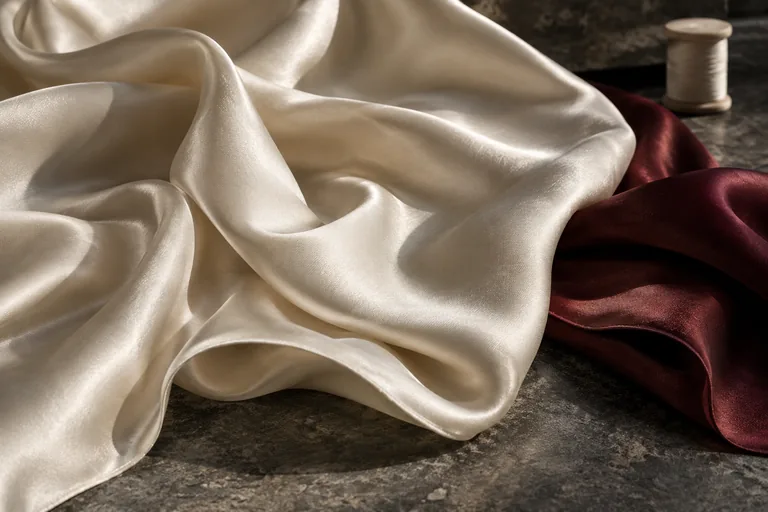
Our Como silk article makes the same distinction between a fibre and a finished textile. A fabric’s weight, structure, finishing and suitability for a particular cut affect the result. Ask about care before buying. A piece that needs treatment you are unwilling or unable to arrange may be a poor choice for you even if its construction is excellent.
Inspect details without mistreating the object
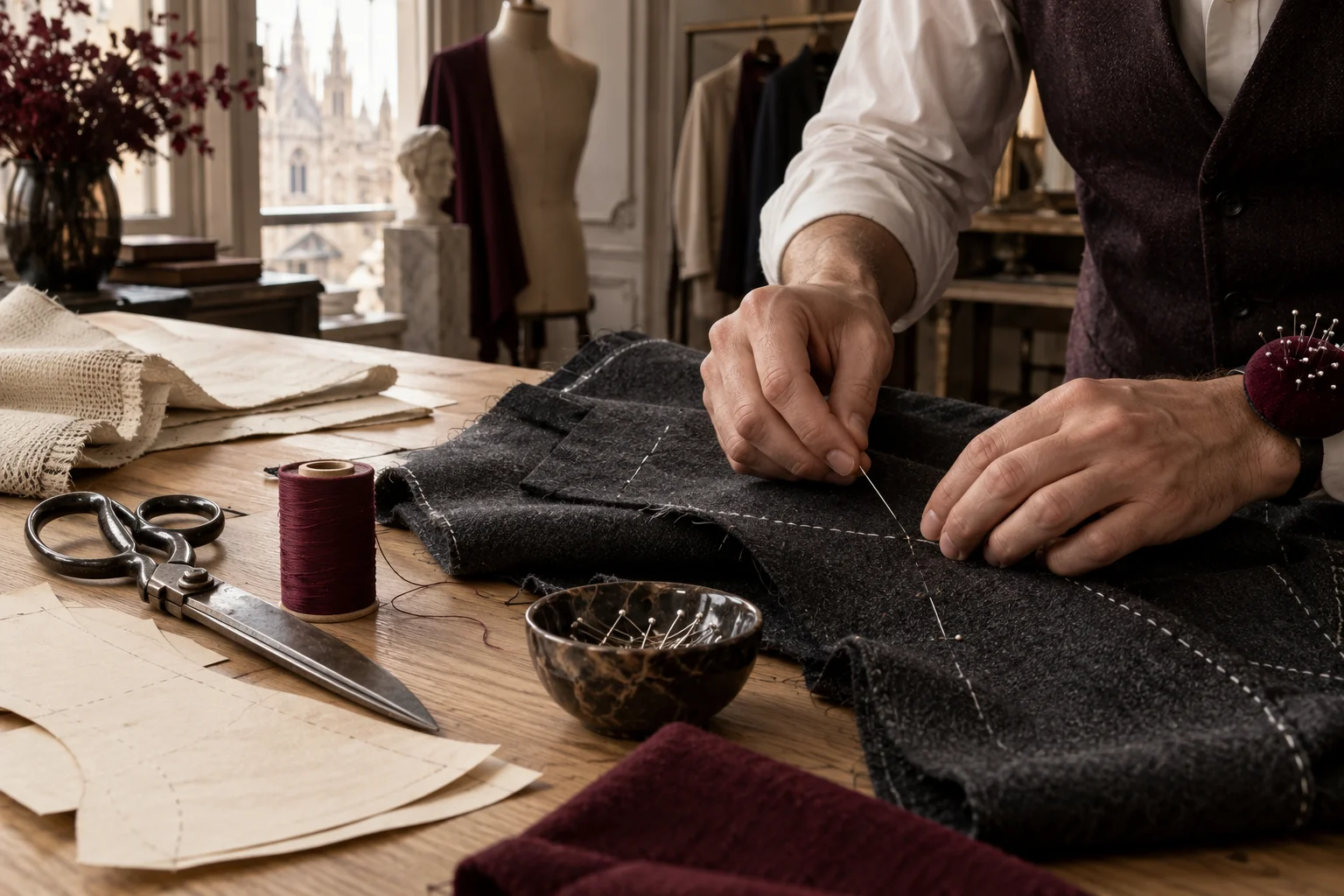
Look at accessible seams, hems, buttonholes and fastenings, asking before turning a garment inside out or examining a delicate area. Consider whether the finish appears appropriate to the fabric and design. Do not pull hard on a seam or test a fastening beyond ordinary use. Shopping is an opportunity to assess, not to perform a destructive experiment.
Pattern alignment can be worth noticing, but it is not a universal test with one correct answer. Placement may be deliberate, and some constructions create different demands from others. Ask about a feature you do not understand. A clear explanation can be more informative than applying a checklist that ignores how the garment was designed.
Make alterations a written conversation
If an alteration is proposed, establish what will change, who will do the work, the expected completion date and the total cost. Ask how the proposed change may affect proportions, details or comfort. A promise to make something smaller is not enough when the feature you dislike involves the shoulder, armhole or overall balance.
Keep your departure date in view. Our winter packing guide can help you decide whether a new item solves a real travel need or creates another logistical task. Leave time for any agreed fitting and do not assume that a last-minute adjustment will be possible simply because you are visiting a city associated with tailoring.
Ask precise questions about environmental claims
A broad word such as responsible tells you little without a defined claim. The European Commission’s EU Ecolabel information for textiles is one official resource for understanding a particular certification framework. If a seller cites a label or standard, ask which product it covers and what the claim actually means. Do not transfer a statement about one item to an entire shop.
Finally, compare the purchase with the rest of your trip and wardrobe. Milan Tour Hub’s budget-minded experiences can help keep room in the itinerary for pleasures beyond shopping. A thoughtful choice may be an expensive piece, a modest one or no purchase at all. The useful outcome is confidence based on fit, information and careful observation.
Sources & further reading
Turn a good read into a great day.
Find a highly rated Milanese experience that brings these stories to life.
Explore related experiences →