Milan fashion looking: what can temporary basting stitches reveal about a garment in progress?

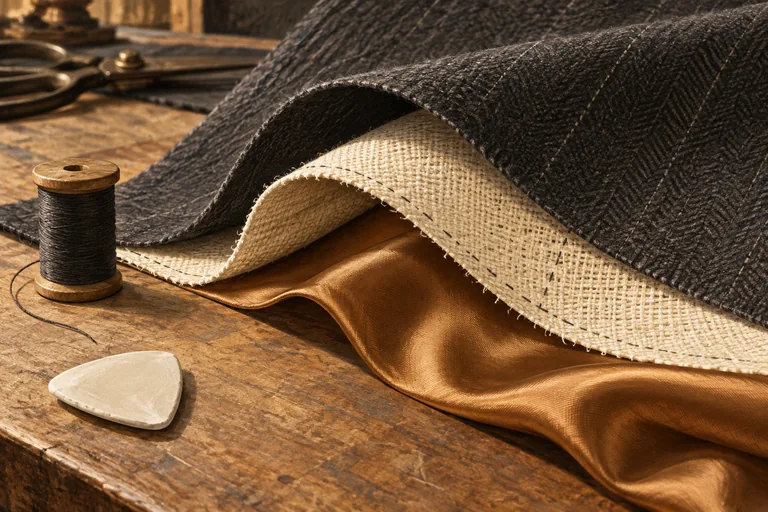
A line of conspicuous, widely spaced stitches can look surprisingly unfinished in a refined garment. That may be exactly its purpose. Basting holds work temporarily while a maker checks, joins or adjusts it. For a visitor interested in Milan’s fashion culture, noticing these modest stitches opens a view onto decisions that a finished photograph usually conceals. It also encourages a useful restraint: an unfinished-looking detail is a question to ask, not proof of poor workmanship.
What makes basting temporary?
Utah State University’s sewing factsheet defines the purpose directly: securing fabric during construction, with the temporary stitch removed when the garment is complete. That functional definition matters more than an attractive colour contrast. The same visible appearance can have different purposes in different garments, so establish what a line is doing before deciding that it is basting.
Imagine two layers that must stay in a particular relationship while another operation is carried out. A temporary line can hold that relationship long enough for the maker to assess it. The important idea is provisional control. It allows a decision to be tested, rather than pretending that the first placement must be the final one. In that sense, a few removable stitches can reveal more about a process than a polished final seam.
What can you learn from the position of the stitches?
The Oklahoma State University technique cards describe basting both for holding garment pieces together and for marking positions such as centres, pockets and buttonholes. Look first at where the line sits. Is it following an edge, crossing a placement area or helping to indicate a reference point? Its location may tell you which decision is still being controlled.
Do not infer an entire workshop method from one surviving thread. A display label, maker’s explanation or construction photograph can connect an observation to a particular stage. Without that context, phrase your conclusion modestly: this line may be temporary, and this is the question it raises. The discipline is especially useful when a garment is behind glass and you cannot inspect its reverse.
How does basting differ from gathering or decoration?
The university sewing-skills guide distinguishes long machine stitches used in basting and easing from fabric that is visibly gathered into folds. These operations can share a tool without producing the same result. Equally, a deliberately exposed stitch on a finished design may be intended to remain. Long stitches alone are not enough to identify either their function or their planned removal.
Use the whole garment as context. Does a line help hold layers in place, or does it contribute to a repeated decorative rhythm? Is the piece presented as a fitting sample, a work in progress or a completed object? If you are shopping, ask the seller which temporary closures or holding stitches should be removed and by whom. Do not start pulling a thread because a general article has made you feel confident about it.
What should you ask during a fitting?
A fitting is an agreed appointment with a particular purpose. Ask what is being assessed at that stage: position, balance, ease of movement or the relation between layers. Listen before moving, because the maker may need to see how the garment hangs in a particular stance. Then describe any restriction or discomfort concretely. “This pulls when I reach forward” is more useful than a vague verdict about elegance.
Photography, touch and access to workrooms require permission. A public shopping appointment does not imply that you may examine another client’s garment or photograph a maker’s notes. If an alteration is proposed, establish what will change, what will remain uncertain and whether another fitting is required. The temporary stitch is a small reminder that good assessment can take more than one step.
How can this sharpen a Milan fashion visit?
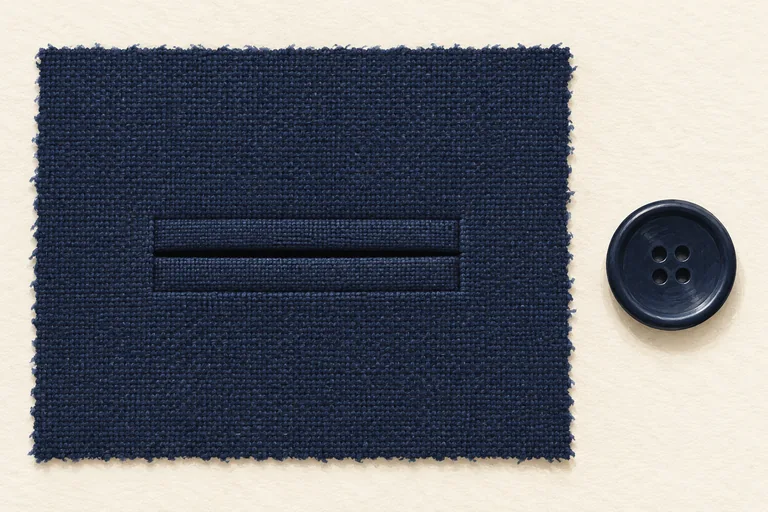
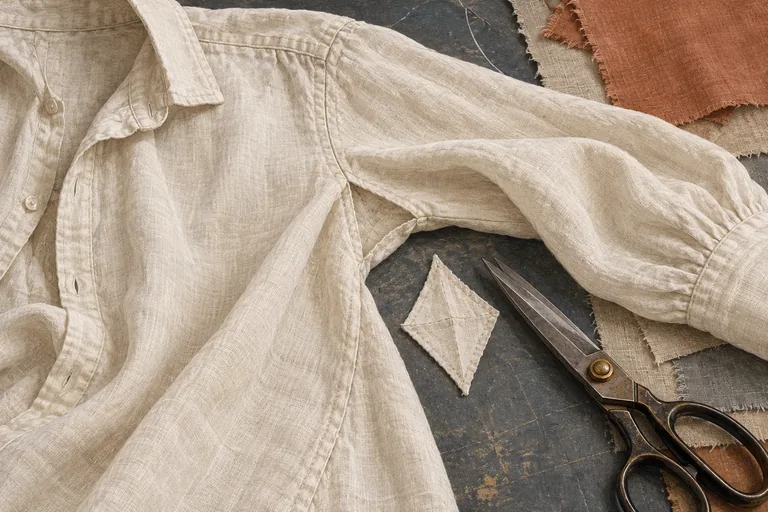
Read our guides to toiles, darts and interlining as related questions about testing, shaping and supporting cloth. Basting is not interchangeable with any of them. It is one way of temporarily controlling work while such decisions are made.
For a broader study of objects and their use, the city guide to Milan’s ADI Design Museum provides another thoughtful approach. Compare the actual scope of any outing in our Milan fashion and culture collection. A shopping experience does not provide official runway entry, an invitation, accreditation or backstage access.
You do not need to become a tailor to look more carefully. Leave an exhibition or appointment able to describe one line of stitching, its likely role and the evidence supporting that interpretation. The pleasure lies in seeing a garment as a sequence of decisions, while allowing the maker’s expertise and the object’s documented history to lead.
Sources & further reading
Turn a good read into a great day.
Find a highly rated Milanese experience that brings these stories to life.
Explore related experiences →