Why does light matter when viewing historic dress in Milan?

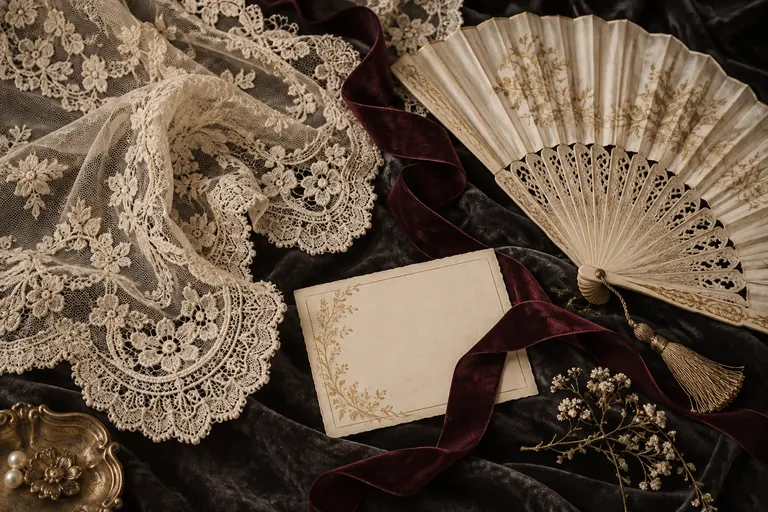
Historic dress asks for a different kind of attention from a brightly lit shop window. In a museum, the aim is to make an object legible while limiting the conditions that can damage it. Light helps us see a textile, but exposure can also alter the very colour and structure we have come to admire. Understanding that tension makes a fashion-focused museum visit more rewarding.
The conservation principles discussed here are general guidance from specialist institutions, not a claim that every Milan gallery uses the same lighting system or display limit. When planning a visit, check the institution’s current exhibition and access information. Our Palazzo Morando guide is a starting point for choosing a place, rather than a guarantee that one particular garment will be on view.
Think about exposure over time
The Canadian Conservation Institute’s guidance on textiles explains that damage depends on light intensity, its characteristics and the duration of exposure. Colour change is therefore not only a matter of whether a room looks bright at the instant you enter. The accumulated time an object spends on display matters too.
This helps explain why a museum may rotate delicate material or choose a controlled display environment. It does not mean every absent object has suffered damage, and visitors should not diagnose a collection from an empty case. Display decisions can reflect loans, research, exhibition themes and many other practical considerations alongside conservation.
Lighting is a balance, not simply darkness
The V&A’s account of lighting its Fashion Gallery describes the challenge of making fragile objects visible while limiting harm. Its discussion includes colour rendering as well as light levels. A successful display needs viewers to distinguish materials and details without assuming that more illumination is always better.
For visitors, the useful response is patience. Let your eyes adjust after entering a darker space, then look again before deciding that an object has little to reveal. Move only within the permitted viewing area. A slight change of position may reduce reflections, but leaning onto a case or introducing your own bright light is not an appropriate solution.
Look for structure before chasing colour
Begin with silhouette, seams, pleats and the relationship between the garment and its support. Which parts appear fitted, and which create volume? Where does decoration follow construction, and where does it distract from it? These questions can remain productive even when a colour is subdued or a detailed surface is difficult to photograph.
Our introduction to mounting historic garments explains another part of the display problem. A support helps present form, but it is not the original wearer. Keep the object, the mounting decision and your imagined movement of the garment distinct. The result is a more precise appreciation of what the display actually shows.
Do not mistake present colour for original colour
A textile’s current appearance is evidence of its history, including use and survival. Without specialist analysis or a reliable catalogue explanation, a visitor cannot confidently restore its original brightness in the imagination. The V&A’s conservation overview describes the collaboration between practical expertise and scientific investigation that underpins such work.
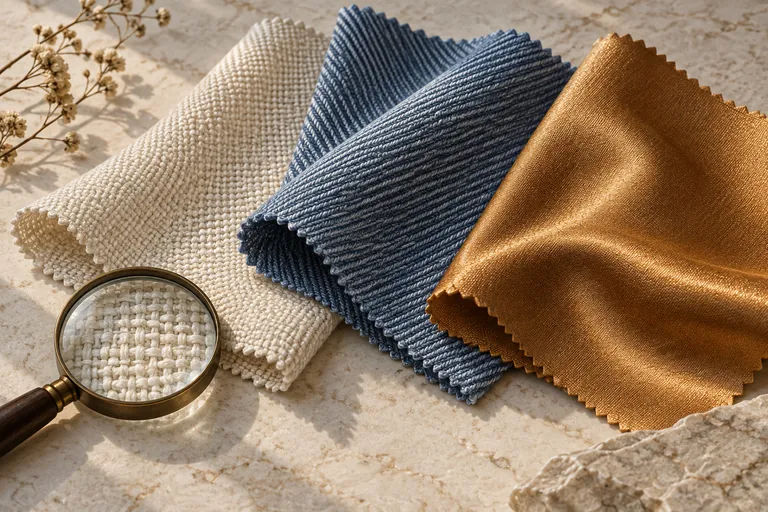
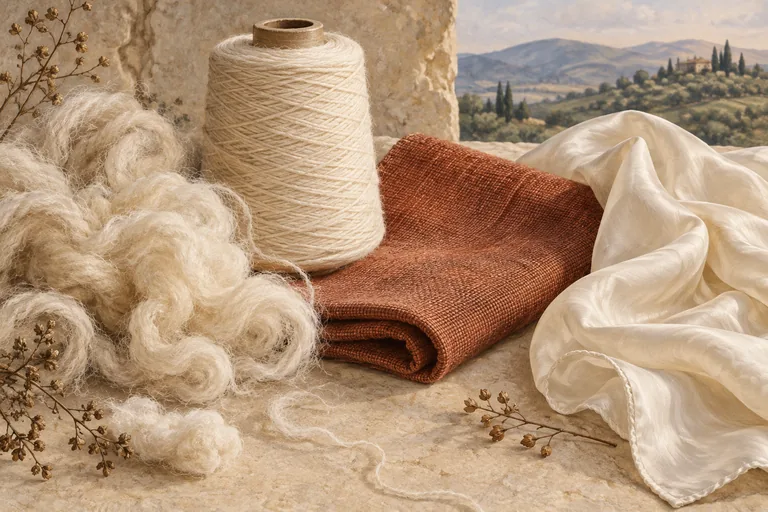
Read labels for information about materials, alterations and condition. If none is supplied, leave the question open. Our guide to fibre, yarn and fabric provides useful vocabulary for noticing differences without turning a visual impression into an unsupported material identification.
Plan a visit that leaves room to look
Choose one main collection or exhibition and give it a comfortable place in the day. A rushed sequence of interiors encourages visitors to photograph first and think later. Our Milan fashion museum planning guide suggests a gentler approach, with time for conversation and a pause between appointments.
If the journey includes Como, the silk museum’s craft perspective offers a complementary question about how textiles are made. Check its current arrangements separately; a regional connection is not a single combined ticket.
Browse our Milan design and culture experiences for further ideas, reading the precise itinerary and inclusions. A museum encounter with historic dress is most satisfying when the object can remain fragile, partial and complex. You do not need to see everything at maximum brightness to come away noticing much more.
Sources & further reading
Turn a good read into a great day.
Find a highly rated Milanese experience that brings these stories to life.
Explore related experiences →