Palazzo Morando: how to visit Milan’s costume and fashion collection
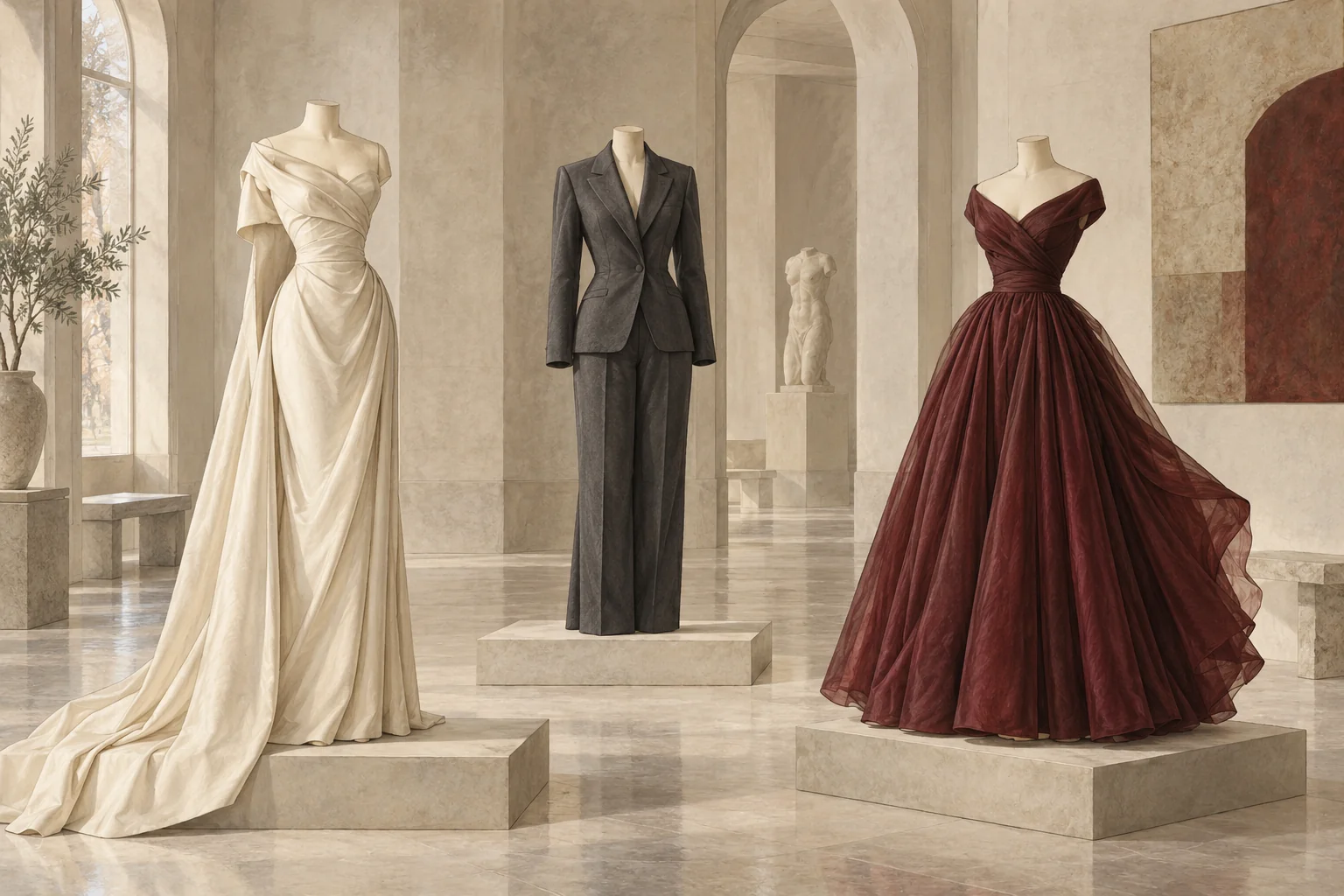
Palazzo Morando is a useful place to slow a fashion-focused Milan itinerary. Its setting allows you to think about clothes alongside rooms, city images and the ways people present themselves. Arrive expecting a museum with a changing programme, rather than a fixed checklist of famous designer garments. That small adjustment makes the visit more rewarding and avoids disappointment when a photograph found online belongs to an earlier exhibition.
The Municipality of Milan’s museum page explains the house’s civic story and its costume and fashion role. The palace was given to the city in 1945 by Countess Lydia Caprara Morando Attendolo Bolognini. It contains historic interiors and images of Milan, while costume displays draw on collections shown through changing arrangements. Check the current programme before deciding how the museum fits your interests.
Confirm what is on before you go
The Regione Lombardia museum record also emphasizes the costume collection’s rotating presentation. A museum can own an object without displaying it continuously. Textiles may be represented through a particular exhibition or selection, so the collection’s overall scope is not the same thing as the contents of the rooms on your travel date.
Look for the exhibition title, opening and closing dates, admission information and any reservation requirement. Save the official page rather than relying on an old search result. If a specific garment or subject is the reason for travelling, ask the museum directly whether it is included. Our three-day fashion itinerary keeps this visit flexible for precisely that reason.
Start by noticing the setting
Before concentrating on a garment, look at the room around it. What does its scale encourage: an intimate view or a view across a larger space? How are objects separated, grouped or lit? You are observing the curatorial presentation as well as the historic interior. Try not to treat either as a transparent window onto the everyday life of every Milanese resident.
A domestic setting can prompt useful questions about dressing, receiving visitors and social display, but the answers need evidence. Distinguish what the museum label establishes from what the room makes you imagine. The distinction does not diminish the atmosphere; it helps keep atmosphere from silently turning into a historical assertion.
Read the garment label in layers
Begin with the date and attribution, then the materials and any recorded use or provenance. Notice words that express uncertainty, such as an approximate date or an attribution rather than a firm identification. Those qualifications are part of the knowledge offered by a museum. They should survive when you explain the object to someone else afterwards.
Next, examine the visible relationship between textile and cut. Where are seams placed? How are patterns interrupted or aligned? What details would be difficult to see when the garment was worn? Our construction guide offers vocabulary for these observations, while the Como silk article helps separate fibre, weave and the finished fabric’s appearance.
Give the city images equal attention
Costume is only one way to study public appearance. A view of a street or an interior can reveal how figures were arranged within an image, how buildings framed them and which forms of urban life an artist chose to emphasize. It cannot establish that everyone used a place in precisely that way. Compare the painting’s date and purpose with what you can actually see.
This approach pairs well with our essay on the Galleria. Both invite you to think about the city as a setting for looking and being looked at, without collapsing different centuries into one continuous lifestyle. The most productive connection may be a question about scale or spectatorship rather than a claim of direct influence.
Continue with a modest neighborhood walk
After the museum, our Quadrilatero walking guide offers a way to compare objects displayed for interpretation with objects displayed for sale. Neither experience needs to imitate the other. Give yourself a pause between them so the museum does not become merely an attractive prelude to shopping.
For a broader cultural day, Milan Tour Hub’s museum and arts experiences provides additional options to assess against the official venue information. Keep one substantial visit as the day’s anchor. Palazzo Morando rewards attention to small differences: between a collection and an exhibition, a room and a reconstruction, an appealing impression and a fact supported by a label.
Sources & further reading
Turn a good read into a great day.
Find a highly rated Milanese experience that brings these stories to life.
Explore related experiences →