What can buttons and closures reveal about a garment?

A button can be so small that it disappears from a first impression of a garment. Look again, and it may organize the entire composition: a disciplined row, a discreet covered shape or a bright point interrupting a dark surface. For a fashion-minded visit to Milan, closures offer a precise and surprisingly generous subject to follow.
The question is not simply whether a fastening looks expensive. It is how it relates to the cloth, the cut and the way the garment is meant to be worn. A quiet observation of those relationships can improve both a museum visit and a shopping appointment, without requiring you to become a textile conservator.
Separate function from appearance
Begin with what a closure actually does. Does it hold two edges together, adjust a fit or decorate a surface while another fastening does the work? A visible button may have a functional buttonhole, a loop or no closing role at all. On a contemporary garment, ask permission before handling it and inspect only in the way the shop allows.
Look at the surrounding fabric as carefully as the fastening. Does the edge remain smooth when closed? Does the buttonhole suit the size and thickness of the button? Are repeated elements deliberately aligned? These are questions to discuss with a knowledgeable salesperson, not a mechanical checklist that declares every unusual design defective.
Different garments solve different problems. A soft coat, a close-fitting waistcoat and a fluid blouse do not need identical closures. Consider the intended use, the ease of fastening and your own dexterity. Something elegant on a hanger may be frustrating if it takes more time or effort to wear than you want to give it.
Let historical examples complicate the story
A V&A conservation account of an eighteenth-century suit shows why buttons deserve attention as decorative objects and as materials requiring care. That is evidence from a particular museum object, not proof that all garments of its period looked or functioned the same way.
The Museum of the American Arts and Crafts Movement’s discussion of fashion fasteners offers another historical context. Comparing such examples can reveal changing scale and emphasis. It should not encourage us to label an unidentified button “Milanese” merely because its colour or ornament feels compatible with a story about the city.
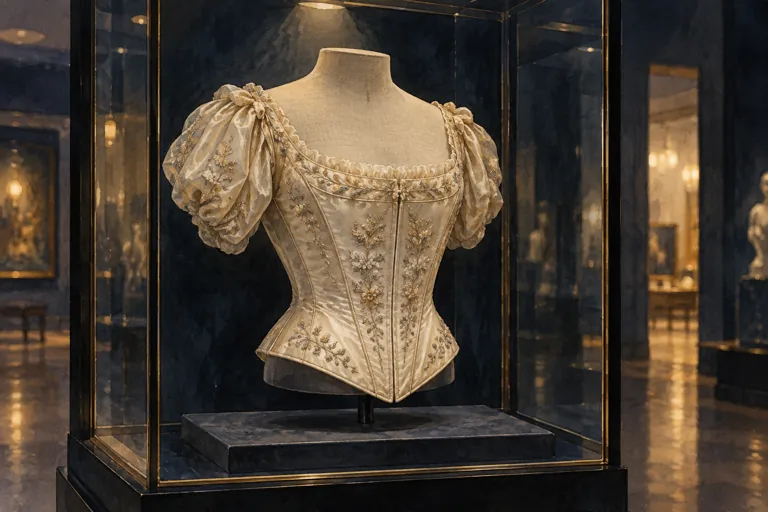
In a museum, use the label to establish what is known about a garment’s maker, wearer, place and date. Surviving fastenings may have been repaired or replaced. Unless the display explains that history, leave the question open. Close looking is valuable precisely because it can reveal uncertainty as well as an attractive detail.
Ask practical questions before buying
For a purchase, find out whether spare buttons are supplied and whether replacements or alterations can be arranged. A distinctive closure may be part of what you love about a garment, but it can also be difficult to match later. Ask about that before deciding, rather than assuming a generic replacement will preserve the appearance.
Read the care instructions for the whole garment. Fabric, lining, trim and fastening may require consideration together. Do not copy a museum conservation treatment at home: a conservator’s method for a historic object is not a household cleaning recommendation. Ask the maker or a qualified cleaner about the particular piece instead.
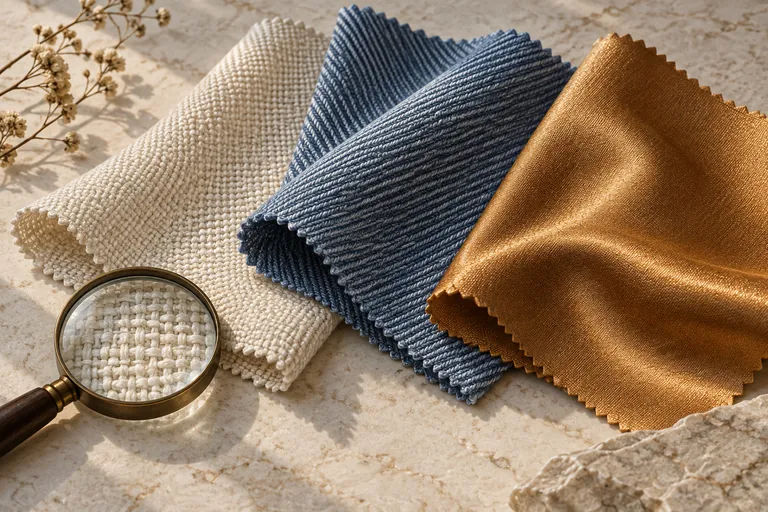
Our guide to judging garment construction in Milan provides a broader framework. Use our explanation of fibre, yarn and fabric when you want to be more precise about the material surrounding the closure. Better vocabulary makes a short conversation with a specialist more useful.
Build a small thread through a Milan visit
You need not organize a whole holiday around buttons. Choose one museum visit and one shopping period, then keep the question in mind. Compare the scale of a fastening in a portrait with the visible structure of a contemporary garment, while remembering that an image and an object provide different kinds of evidence.
Our Poldi Pezzoli lace guide explores another small-scale craft with a rich relationship to clothing. It does not imply that a particular button collection will be on display. Check the museum’s current room access and exhibition information before choosing a visit for one specific object.
For guided exploration, compare style and craft experiences by their actual subject and inclusions. A shopping walk does not provide Fashion Week invitations, and an itinerary should not promise workshop or archive entry without a confirmed arrangement. State your interest in construction when enquiring so that the guide can explain what is realistically possible.
A later visit to Como’s Silk Museum can extend the inquiry from fastening to fabric production. The common pleasure is attentive looking: noticing the small decisions through which materials become something people can use, display and keep.
Sources & further reading
Turn a good read into a great day.
Find a highly rated Milanese experience that brings these stories to life.
Explore related experiences →