Milan’s ADI Design Museum: what can everyday objects teach you about fashion?

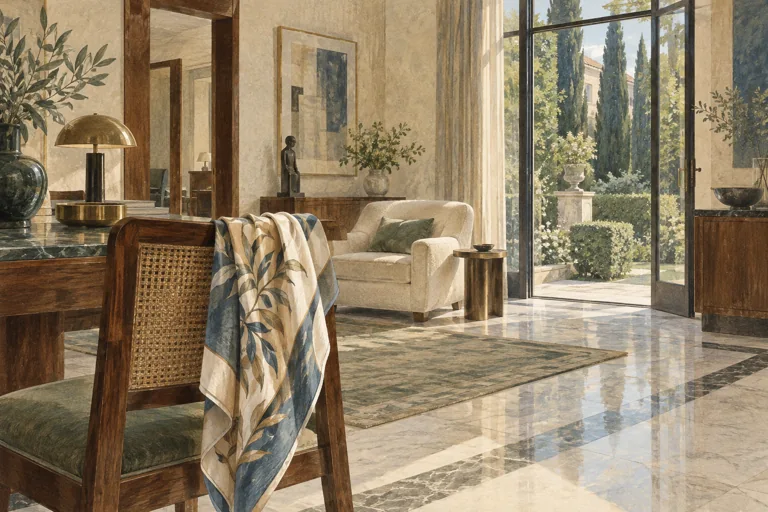
A chair and a jacket do not serve the same purpose, yet both meet a moving body. Each has edges, surfaces, proportions and points where a material must do useful work. Milan’s ADI Design Museum offers a rewarding way to widen a fashion visit: look at everyday objects, then return to clothing with more precise questions. The connection is about design decisions, rather than finding a fashion label on every exhibit.
This is a museum visit with its own programme and admission arrangements. It does not confer access to runway shows or industry appointments. That independence is useful. A thoughtful Milan itinerary can contain design, art and the city itself without depending on an invitation to an event elsewhere.
Look beyond the finished silhouette
The museum’s account of its approach emphasizes the processes behind design, including drawings, prototypes and other documentary material alongside finished objects. When such material is on display, use it to ask what changed during development. A neat final form can conceal a long sequence of decisions about use, construction, manufacture and communication.
Begin with an ordinary question: what is this thing asking someone to do? Sit, hold, read, carry, illuminate or adjust something? Then notice where the design supports that action. A handle may fit a hand; an edge may protect a surface; a material may bend or remain rigid. Describe the visible evidence before deciding that an object is simply elegant, futuristic or timeless.
Understand what an award can tell you
The official history of the Compasso d’Oro dates the award to 1954 and its beginnings at La Rinascente, following an idea associated with Gio Ponti and Alberto Rosselli. It also explains the recognition of both designer and manufacturer. That pairing is valuable for a fashion-minded visitor: an object is not only an idea, but something that must be made.
An award label provides historical context, not a universal verdict that every visitor must share. Ask what problem the object addressed and what information the display supplies about its time. A design admired in one period may invite different questions now. You can appreciate its achievement while still noticing what the documentation does not tell you about users, production or later changes.
Bring the questions back to a garment
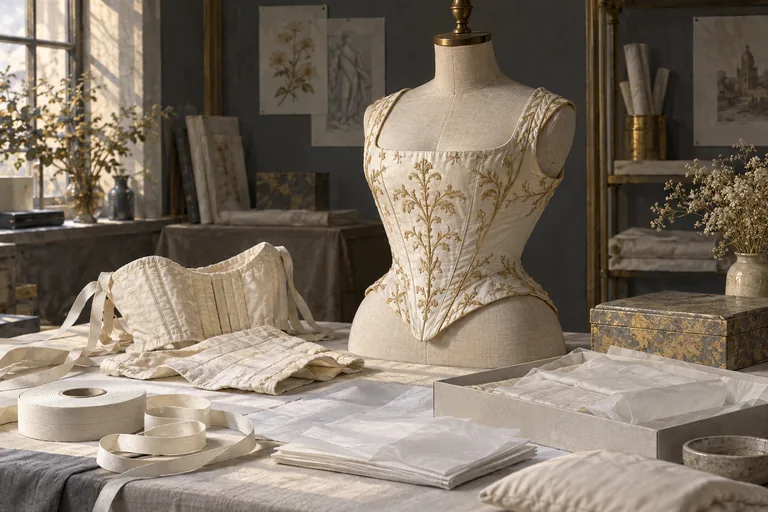
Consider a jacket pocket. Its position affects reach; its opening affects access; its construction affects how the garment hangs. This is a useful comparison to make after looking at an object designed around handling. It does not mean that a particular chair influenced a particular collection. You are borrowing a method of observation, not inventing a chain of artistic influence.
Our guide to judging a garment’s construction develops that practical attention. The companion explanation of fibre, yarn and fabric helps separate material choices that can otherwise become blurred in a shop conversation. Good looking begins with distinctions that are small enough to be useful.
Choose a theme rather than trying to see everything
The museum’s online collection spans many types of design. Use it to develop a question before visiting, but do not assume that every catalogue entry will be physically displayed on your date. You might focus on things that fold, objects carried by hand, or the relationship between a hard structure and a soft surface. A narrow theme can make a varied museum feel coherent without reducing its range.
Our sister city publication’s guide to Milan design beyond shopping takes this habit into the wider city. Keep each observation grounded in its setting. A piece in a museum, a product in a store and something used on a street offer different kinds of evidence and different opportunities to look closely.
Leave time for the visit to register
Check current opening days, exhibitions, admission and accessibility with the museum. Confirm whether a particular display or event needs separate arrangements. Then give the visit space in your day. Our guide to planning a comfortable museum day can help prevent a promising afternoon from becoming a procession of entrances and exits.
Compare Milan design and culture experiences by their actual routes and inclusions. Afterwards, choose one ordinary object or garment and describe it without using a brand name or a value judgement. If you can explain how a seam, joint, handle or surface contributes to its use, the museum has given you something that travels well beyond the exhibition room.
Sources & further reading
Turn a good read into a great day.
Find a highly rated Milanese experience that brings these stories to life.
Explore related experiences →