Prada and nylon: how a material can change the idea of luxury
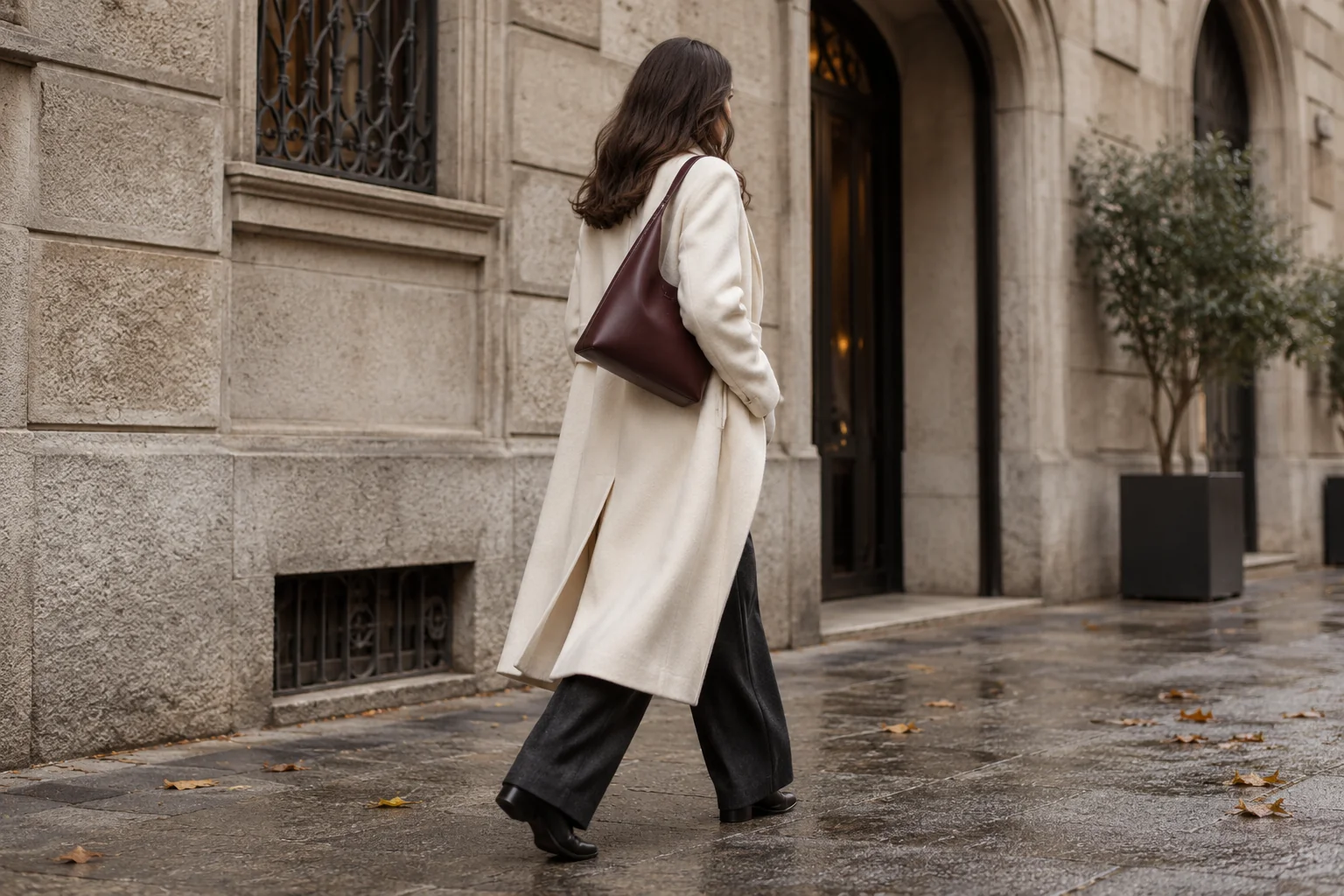
Luxury is not a material in itself. It is a shifting set of expectations about design, labour, rarity, image and the experience of owning something. Prada offers a useful way to examine those expectations because an apparently practical fabric became part of its fashion language. Begin with the object rather than the price: what do you expect a luxury bag to look and feel like, and where did that expectation come from?
The Prada Group’s official history traces the business to its first Milan shop in 1913. Its account of Miuccia Prada and nylon describes nylon bags introduced in the 1980s and the material’s later use in ready-to-wear. These are useful historical anchors. They do not mean that every nylon object has the same qualities or that a familiar material acquires one permanent meaning when a designer uses it.
Ask what the material is doing
Imagine a bag first in glossy leather, then in a woven synthetic textile. Even before inspecting the details, you may anticipate differences in weight, surface, formality or use. Those expectations are a starting point for interpretation, not reliable technical specifications. The actual weave, coating, lining and construction matter, and the product’s own description should explain what has been used.
Our Como silk introduction approaches a very different material through the same principle: fibre and finished cloth are not interchangeable ideas. A textile becomes part of an object through design decisions. In both cases, the more useful question is how those decisions serve the finished piece, rather than whether one fibre belongs automatically at the top of a hierarchy.
Separate familiarity from simplicity
A surface that appears plain can make proportion and detailing more noticeable. Look at the scale of a pocket, the placement of a fastening and the relationship between soft fabric and firmer components. Ask which elements make the object legible from a distance and which reward close attention. You are describing the design, not trying to establish authenticity by eye.
For a purchase, rely on the seller’s documented product information and appropriate retail channels. A logo, a photograph or a confident story cannot replace clear information about the item being offered. Our garment-quality guide suggests questions about composition, construction and care that remain useful even when the object is not a garment.
Do not turn a material story into a sustainability shortcut
A discussion of nylon’s place in fashion is not automatically an environmental assessment. Claims about recycled content, production or traceability should relate to a specific product and a clearly described standard. Avoid transferring a statement about one collection to every item carrying the same house name. Materials have histories; individual products also have particulars that deserve attention.
The same care applies to vintage shopping. An older object may be interesting because of its design or documented provenance, but age alone does not tell you its condition, remaining useful life or repair needs. If those questions matter to a purchase, ask them before paying. A thoughtful shopping decision can be enthusiastic and exacting at the same time.
Visit art without expecting a fashion retrospective
Fondazione Prada’s visitor information is the source for its Milan exhibitions and access arrangements. Read the current programme before booking. An art foundation associated with a fashion name is not necessarily presenting the house’s garments, and it should not be treated as a substitute for a promised fashion archive visit.
This distinction makes room for a more rewarding afternoon. Go because the exhibition interests you, and allow it to ask its own questions. Our three-day Milan itinerary helps combine a cultural visit with a neighborhood walk without forcing every stop to tell the same story. Milan Tour Hub’s arts and events collection offers additional ways to compare what is actually available on your travel dates.
Return to the city with a sharper eye
On a later walk through the Galleria, notice the relationship between display, materials and setting. A shop presents objects within a carefully arranged environment, just as an exhibition uses sequence and light. You need not confuse shopping with museum scholarship to observe both thoughtfully. The useful souvenir is a more flexible idea of luxury: one that can consider design and material without assuming that familiar categories have settled the question in advance.
Sources & further reading
Turn a good read into a great day.
Find a highly rated Milanese experience that brings these stories to life.
Explore related experiences →